Understanding the User-Friendly Design Behind taya365
Green Hills Music Studio has recently embraced a digital platform called taya365, designed to streamline the navigation process for both newcomers and regular visitors. Navigating a music studio’s website can sometimes feel overwhelming, especially for first-timers trying to find class schedules, instrument tutorials, or booking information. What sets taya365 apart is its intuitive layout that balances simplicity with accessibility, making it easy to jump right into the musical experience without getting lost in a web of menus.
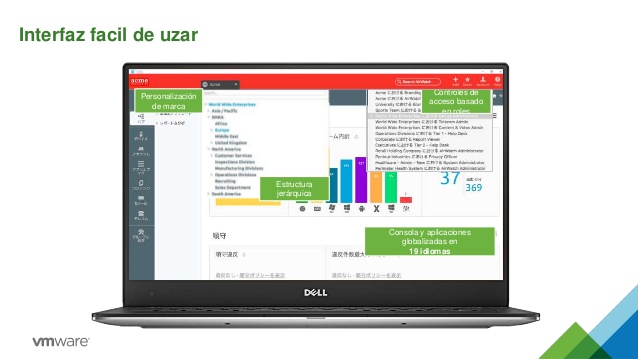
When you visit the site powered by taya365, you’ll notice how clear calls-to-action and logical pathways guide you smoothly from one section to another. This is no small feat considering the depth of content Green Hills Music Studio offers, ranging from beginner piano lessons to advanced guitar workshops. The platform’s design philosophy prioritizes user comfort, which is essential in keeping visitors engaged.
Why Simplicity Matters in Music Education Platforms
Music education is inherently complex, involving varied instruments, teaching styles, and course levels. A cluttered or confusing website can deter curious learners from exploring their options. That’s why platforms like taya365 focus on a clean interface that reduces cognitive load. Users can easily filter classes by instrument type, instructor, or schedule without diving into multiple submenus.
Moreover, a straightforward navigation system supports accessibility for a wider range of users, including those less comfortable with technology. The importance of this cannot be overstated, as many potential students may feel intimidated before even attending their first lesson. By eliminating unnecessary friction at the digital entry point, Green Hills Music Studio effectively lowers barriers to musical learning.
Key Features That Make Navigation Smooth
At the core of taya365’s user experience are several practical features that keep the interface approachable:
- Clear categorization of courses by instrument and skill level.
- Prominent search functionality with suggestions to help users find relevant content quickly.
- Responsive design that adapts seamlessly to mobile devices, essential for busy students on the go.
- Integrated booking system that allows scheduling lessons directly without redirecting to third-party sites.
- Real-time updates on class availability and instructor slots, minimizing frustration caused by outdated information.
These elements collectively contribute to a frictionless experience. From my perspective, having used similar platforms, this kind of careful design can make or break a user’s decision to commit to a course.
Practical Tips for First-Time Visitors Using taya365
If you’re new to Green Hills Music Studio’s digital space, here are a few pointers to make your first visit more productive:
- Start with the “Beginner Courses” tab to find suitable starting points if you’re just picking up an instrument.
- Use the calendar feature to check available lesson times and avoid scheduling conflicts.
- Don’t hesitate to explore instructor profiles; taya365 makes it easy to learn about teaching styles and specialties.
- Leverage the FAQ section to clarify common questions about payment methods or equipment requirements.
- Bookmark your favorite pages for quick access during your next visit.
Remember that like any new system, it might take a few moments to get accustomed, but the platform’s minimalist approach helps reduce that learning curve significantly.
Balancing Technology with Musical Passion
There’s always something slightly paradoxical about combining artistic creativity with digital interfaces. Music, a deeply human and emotional pursuit, thrives on spontaneity and expression. Yet, a well-structured online platform like taya365 shows that technology can support rather than stifle this journey.
By offering a navigation system that doesn’t overwhelm, Green Hills Music Studio invites more people to discover music at their own pace. It’s a reminder that good digital design involves understanding the audience, which in this case includes children, adults, beginners, and professional musicians alike.
One might ask: how much does ease of online navigation really influence artistic development? While it’s not the only factor, removing technological hassle certainly helps learners focus on what matters—the music itself.
What to Keep in Mind When Exploring Digital Music Platforms
While taya365 excels in user-friendliness, it’s worth acknowledging that any online system has its limits. Connectivity issues, occasional glitches, or differences in user expectations can affect the experience. Patience and a willingness to explore are often required.
Also, engaging with music education responsibly means recognizing your own pace and limits. Not every lesson or course will be the perfect fit right away, and that’s okay. Take advantage of trial classes if available, and don’t hesitate to reach out to instructors for guidance.
In my opinion, platforms like taya365 serve as a gateway rather than a gatekeeper—helping you find your way rather than dictating it.
Ultimately, the integration of these systems into music studios is a welcome evolution. They make learning more accessible and inclusive, encouraging a new generation of musicians to embark on their creative paths with fewer barriers.